How to Calm the First Week Without Cashing In
When the urge hits in the arvo, most Australians reach for a phone or a tab instead of a plan. That first seven days is where habits either loosen or lock in, and it rarely takes more cash to break the loop. We treat early quitting like a slot session: observe the pattern, set a fixed stop, and walk away before the volatility spikes. The aim is not a perfect week, just a controlled one where you can see what triggers the pull and choose a different response.
What the first week actually looks like
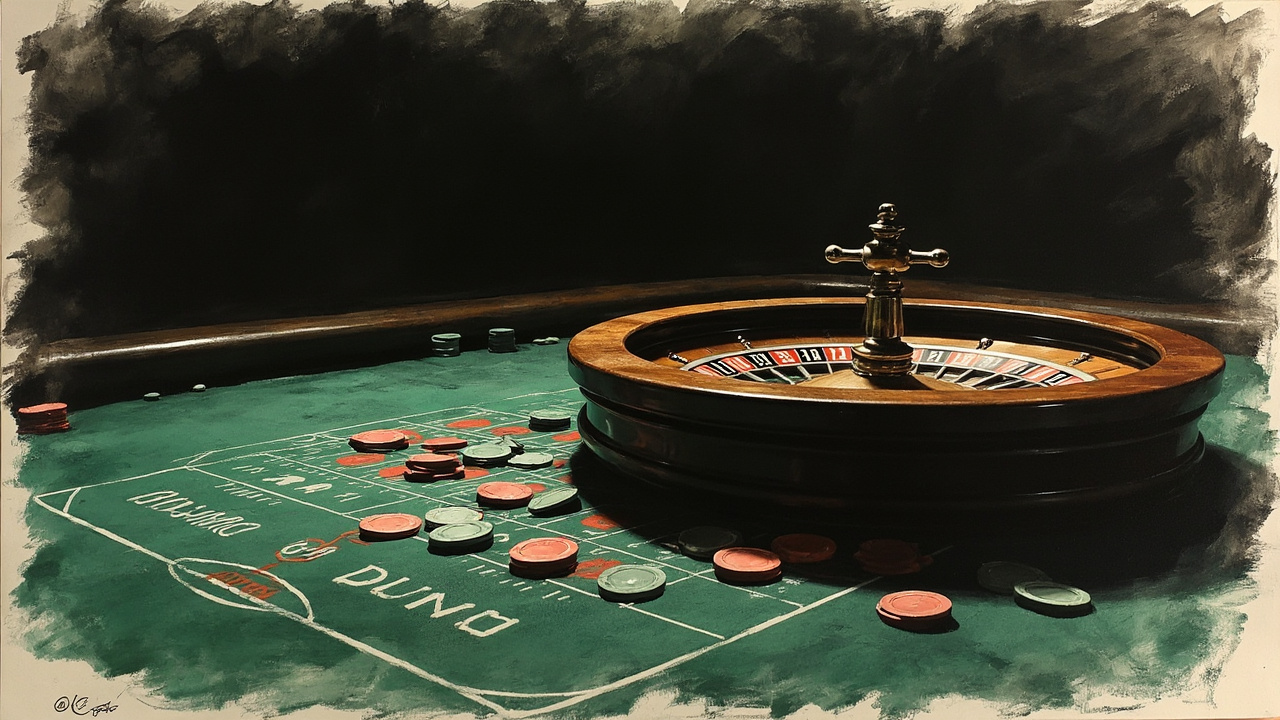
The opening stretch is usually the busiest, because the brain is still expecting a payout rhythm it has not yet earned. You will notice the urge arriving in waves: after work, while scrolling, or when a mate mentions a result. Each wave has a shape, and you can map it without feeding it. In my years building slot mechanics across Australia and Europe, I have seen the same pattern in volatility curves: the early spins look calm, then the session tightens around a single outcome. The difference here is that you control the exit, not the RNG.
A practical first week starts with a clear boundary. Decide on a hard stop time for the next seven days, write it down, and keep it visible where the urge usually shows up. Log the moments you almost play, not to judge them, but to spot the common triggers. If you need a neutral place to compare how licensed operators in your state handle responsible limits, the entry at elf casino shows how a regulated provider structures account controls and cooling-off options for Australian players. The point is to make the first week about observation and interruption, not about testing willpower against a live feed of wins and losses.
How to interrupt the pull in the first seven days
A short reset that actually fits a normal week
The reset should be small enough to repeat, because a grand gesture tends to collapse by day three. Pick one behaviour that usually leads you to the tab and replace it with a fixed alternative that takes the same amount of time. If you normally check results on the train home, swap that window for a podcast, a walk, or a call that does not end with a betting prompt. In production terms, this is like tuning a reel sequence: you are not removing the feature, you are changing the timing so it does not land on cue.
Keep the reset tied to one location and one time, because scattered rules rarely survive a busy week. Perth has a few easy anchors for this: a set route along the river, a regular coffee stop, or an evening session at a local club that does not push gambling at the counter. The goal is to build a default action that is already waiting when the urge arrives, so you are not negotiating with yourself in the moment.
What to do when the urge spikes
When the spike hits, delay rather than deny. Set a timer for twenty minutes and do something that occupies the same hand and eye movement, because bare willpower usually loses to a designed feed. If you are tempted by a sports result, close the app and write the score down later from a neutral source, not from a promotional feed. Emily Fraser, Digital Acquisition Director at Harbour Bet Insights, has noted that early engagement spikes often come from reminder prompts, not from a fresh desire to play, which is why muting notifications for the first week can matter more than any slogan.
A simple delay sequence works better than a long speech to yourself:
- close the app or tab and step away from the screen
- drink water and change rooms if you can
- set a twenty-minute timer and do a fixed substitute task
- revisit the urge only after the timer ends, and log whether it faded
The point is to make the first week a series of small interruptions, not a single dramatic stand.
Linking the first week to what players actually need
Most players do not need a lecture; they need a stop that survives a normal week of work, family, and a few noisy moments. The first week is where you test whether your boundary holds under ordinary pressure, not under a perfect one. If you are used to chasing a welcome bonus or a recurring promo, the temptation is to treat the pause as a missed opportunity, but the better read is that you are separating entertainment from escalation. Ongoing value from a site matters only if you can step back from it without the session feeling unfinished, so the first week is also a check on whether your play is recreational or compulsive.
A useful comparison comes from operator-side thinking: some product teams argue that gentle reminders and soft limits are enough, because they keep players engaged without forcing a hard break. Regulators and support workers often push back, saying that only a clear pause and visible limits change the trajectory when the urge is already active. Neither side is fully right on its own, because a soft nudge helps a casual player and a hard stop helps a player who is already locked in. Your first week is where you find out which version of the problem you are actually dealing with.
| What to track | How to log it | Why it matters |
|---|---|---|
| Time of day | Note the hour and what you were doing | Shows whether the urge follows routine or stress |
| Trigger type | App, result, conversation, boredom | Points to the cue you can interrupt |
| Delay used | Timer length and substitute task | Tests whether a short pause breaks the spike |
| Outcome | Urge faded, held, or led to play | Reveals whether the week is loosening or locking in |
Verdict
The first week works best when it is treated as a short, repeatable reset rather than a dramatic quit. Set one boundary, log the triggers, and use a twenty-minute delay when the spike arrives. If the week ends with fewer automatic plays and more noticed urges, you have already changed the pattern.